
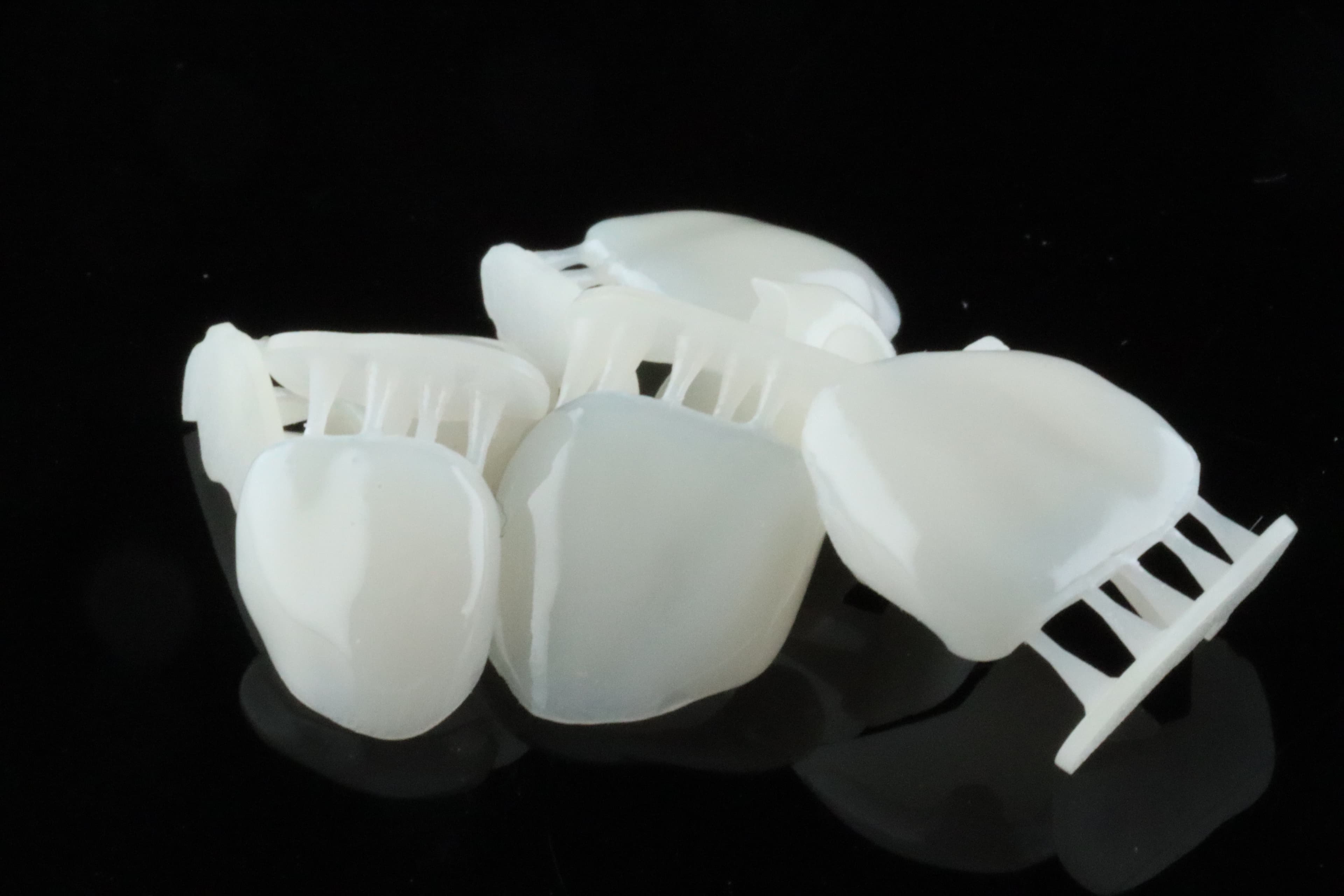
Bego TriniQ
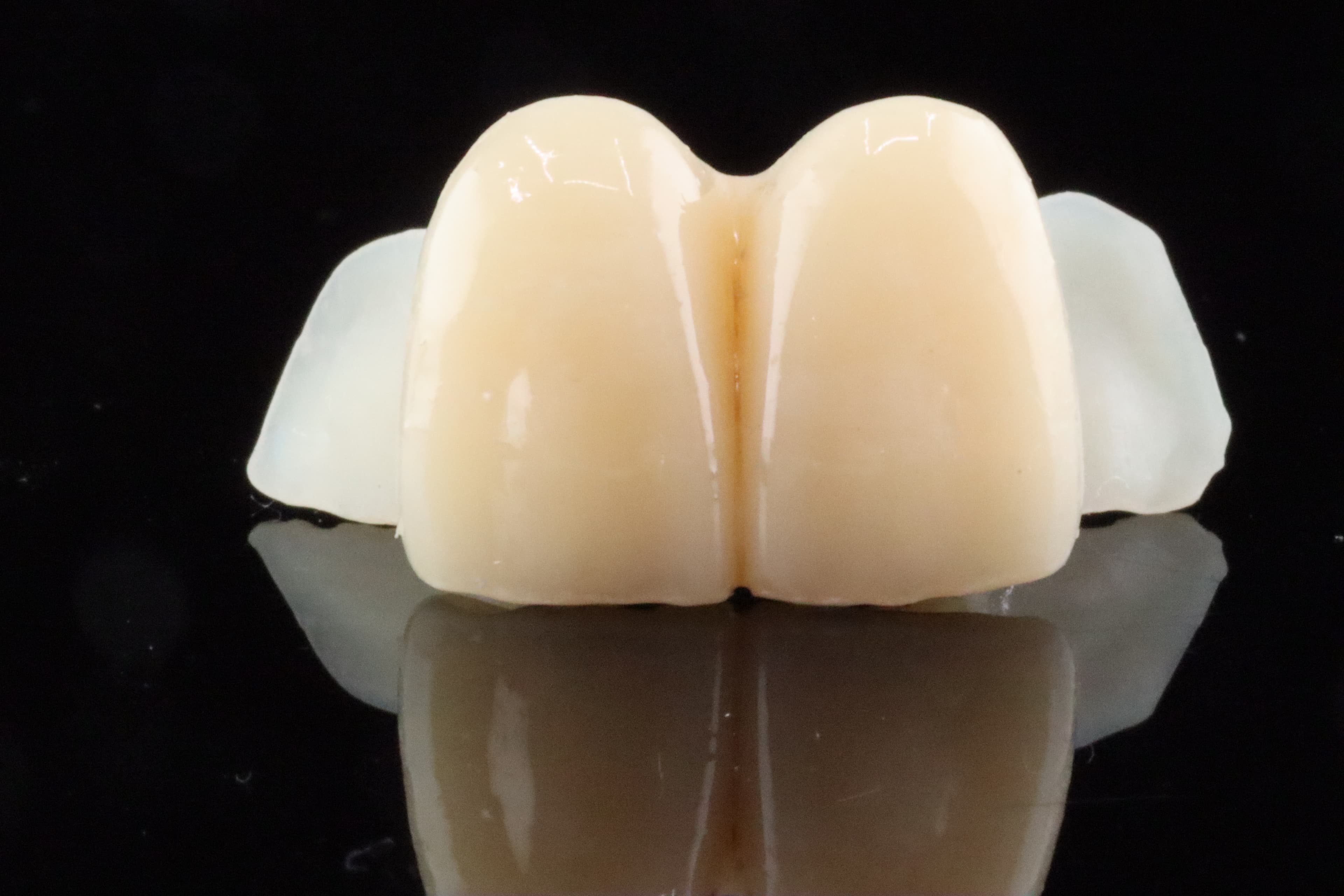
I like to call Bego TriniQ the Swiss Army Knife of printable restorative resins. Durable enough for small definitive restorations but with a slight amount of flex for provisional multi-unit restorations and low-enough ceramic filler content to make it easy to print, wash and clean.
It really is a versatile resin which prints fast and cures consistently across a range of different systems globally, making it my go-to for certain printed veneer and single-unit restorative cases. I also use it for smile try-ins and long-term provisionals.
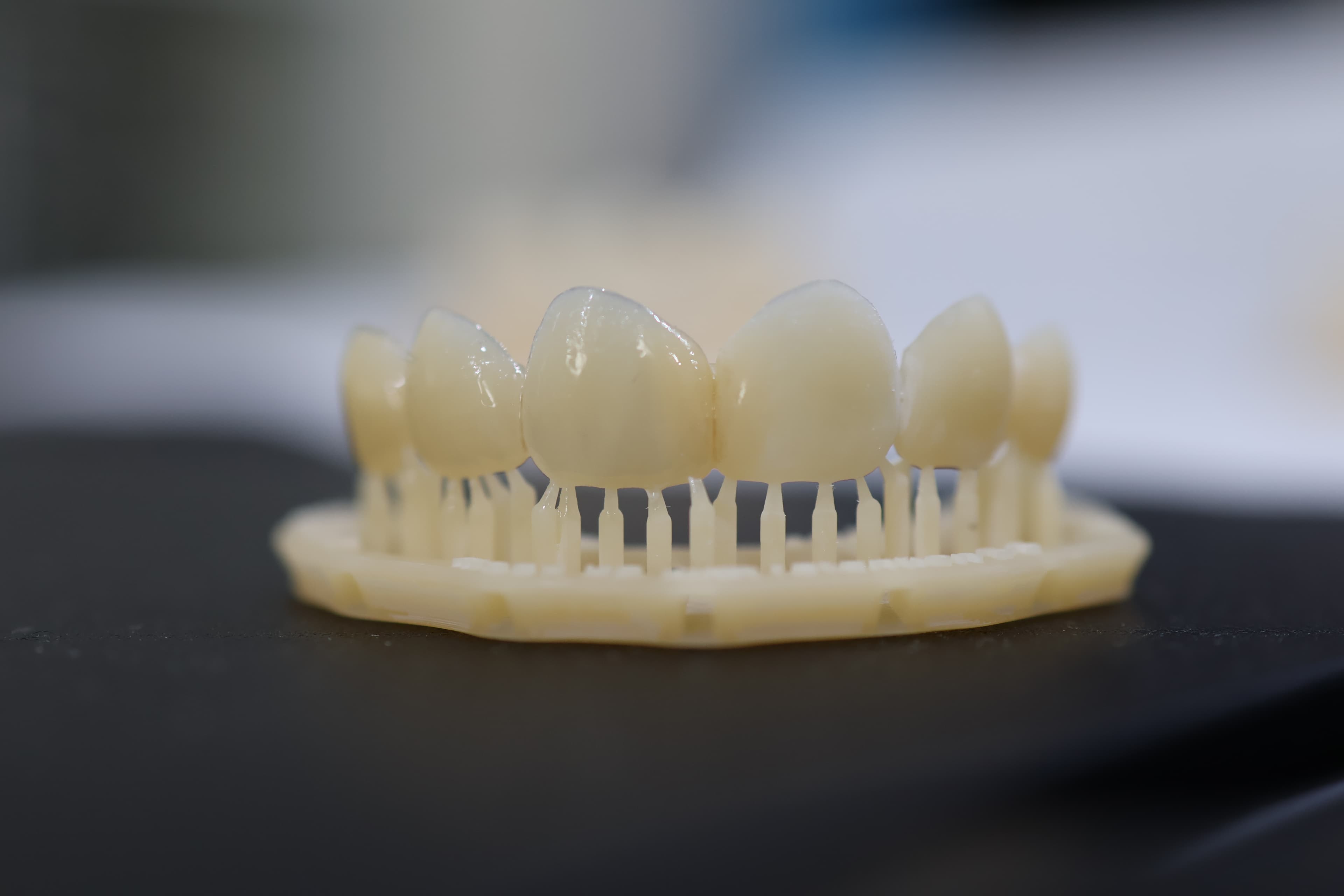
Uses:
Printing of single unit (definitive) restorations e.g. crowns, inlays, onlays, veneers. Provisional use for single and multi-unit situations. Smile try-ins/mock ups.
Where can you print it:
Multiple open system 3D printer brands – Ackuretta, Asiga, Formlabs, Phrozen (Sonic series), RapidShape, RayShape, Shining 3D, UniZ, Zylo3D etc.
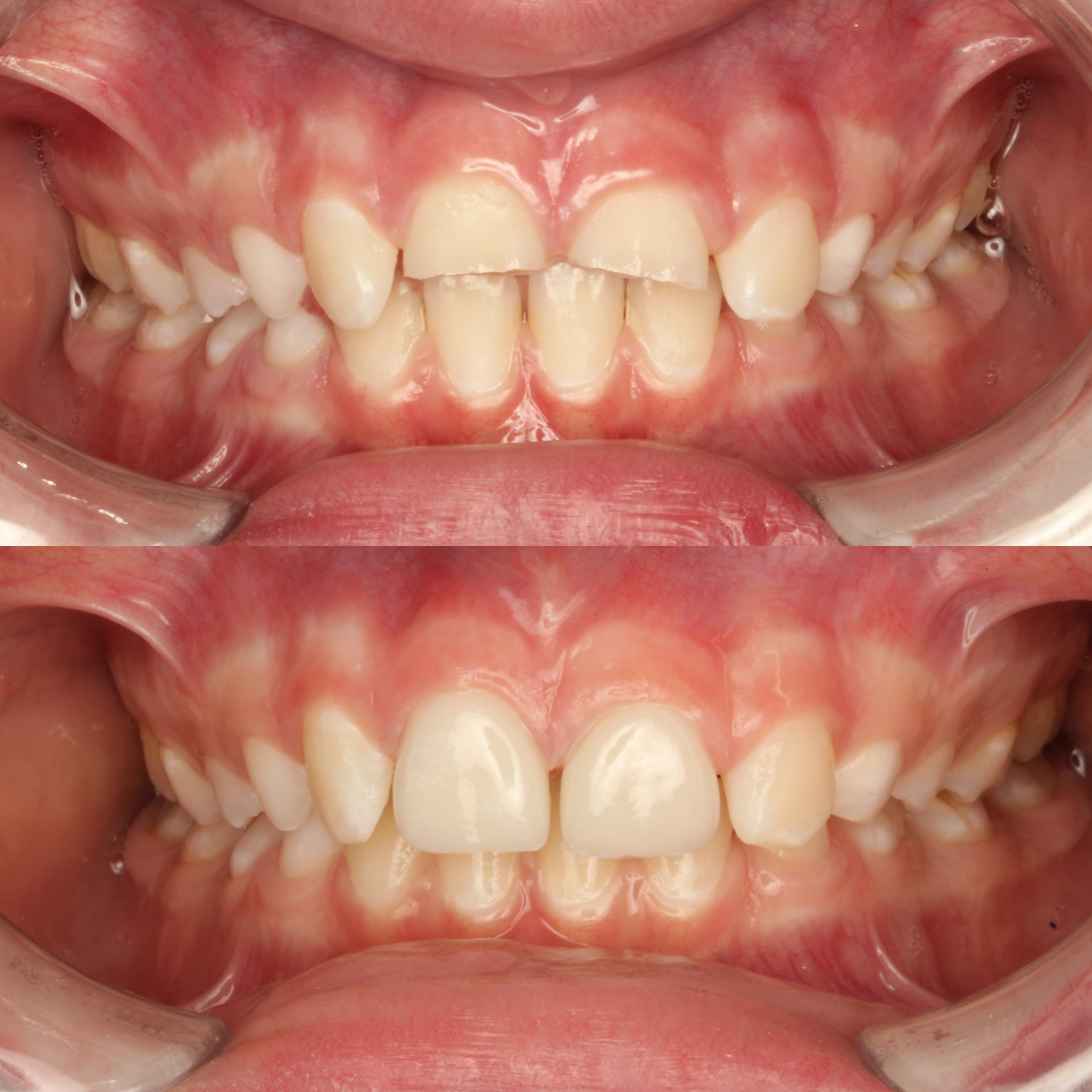
The low down:
One of the best things about Bego TriniQ is the sheer number of printers it is validated for. This makes it a truly global material. As the owner of a number different printers from different brands, this is incredibly helpful for me as it means I need to stock less material. It prints and cures quickly, making it a great option for same-appointment use. I generally print it on the Asiga Max 2 using their PrintPod system, but any mini/crown kit will make light work of this resin. Unlike many competitors, you won’t be waiting for longer than 10 minutes for this to cure. This is critical in same-appointment applications where every minute shaved is a dollar saved. It also polishes up nicely with traditional PMMA and composite polishing systems and is naturally quite translucent so there often very minimal post-processing to be done with this material.
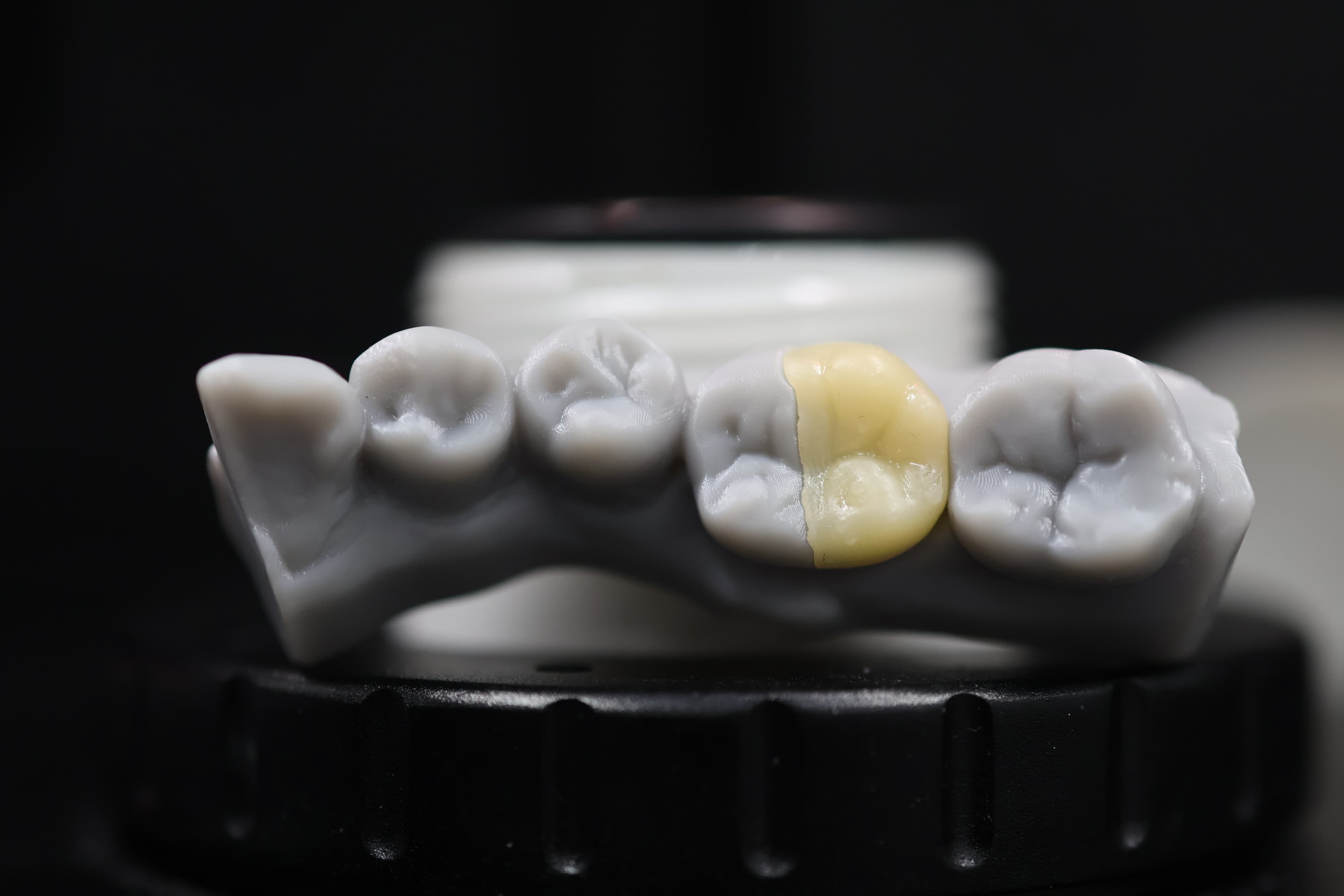
Points to note:
Its lower ceramic content is a double-edged sword – being less filled means that you can actually wash it quite safely within traditional wash units, resulting in a more “hands-off” workflow. However, it does mean that it is essentially less durable over time compared to some of its competitors. As a result, I generally wouldn’t support using it for definitive full-coverage applications or definitive multi-unit applications. TriniQ is available in a ridiculous number of shades but you will need to check with your local distributor to see what’s available. TriniQ is available in shade A1, A2, A3, A3.5, B1, B2, C2, D3, OM1 and OM3. Ridonk! TriniQ is radiopaque and shows up quite clearly in radiographs. It’s not as radiopaque as some ceramics so it won’t cause excessive scatter, making it a nice radiographic marker in certain situations.
TLDR:
Bego TriniQ is a versatile printable restorative resin that prints and post-processes nicely across a range of different hardware options.